Senegal/A Wendou Bosséabé, in the Matam region, confirmed return to working the land
A return to agriculture is no longer a slogan in Wendou Bosséabé, a village in the commune of Orkadiéré, in the Matam region (north), where the availability of a modern irrigation system has sparked renewed interest in working the land, very often coupled with livestock farming.
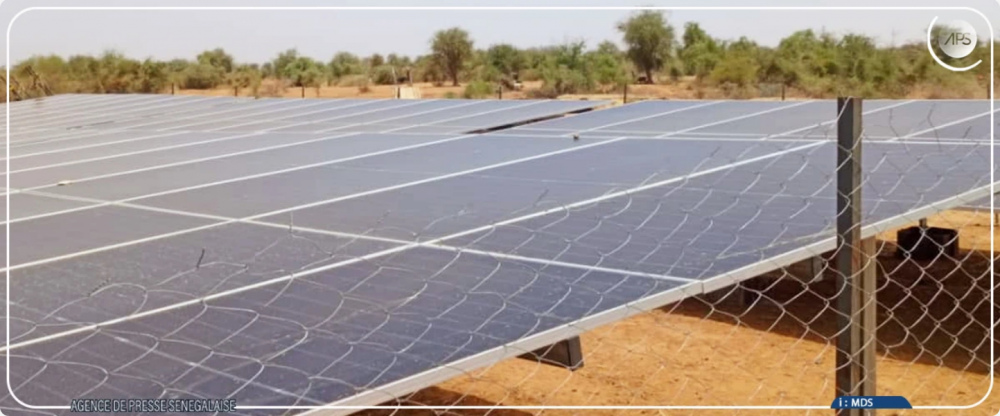
At the exit of this village in the Kanel department, on the road alongside the Ganguel Soulé bridge, not far from the Dioulol river branch, are 27 hectares of fenced-in areas.
Seventy solar panels are installed at the entrance to the perimeter. Inside, an old building serves as office space for the manager, Abou Alassane Ndao. It also houses the solar-powered watering system.
Here, irrigation is by sprinklers, with rotating heads that simulate rain.
In the gardens, young people and adults are already hard at work. Some have just finished their day's work and are leaving with bags full of grass or produce for sale. Carters are waiting outside for transport.
"Before, only one person paid the water bills for each garden, which came to around 2 million CFA francs a month, not counting electricity. All the villagers had to do was work the fields, harvest and sell. Today, the site is solar-powered, thanks to a generous donor," explains Abou Alassane Ndao, the site manager.
According to him, the solarization of the site, thanks to this generous benefactor, follows an option taken by the villagers who decided to remain three years without exploiting the surface. This caused enormous prejudice to some of those who raised sheep, as grass was becoming scarce, especially as each family has a space on the site that it can exploit.
For Alassane Ndao, who has been in charge of managing the site for several years, the initiator of the solar project "doesn't want to see young people and women standing around with nothing to do, when they have spaces they can use".
"Here, villagers harvest okra, corn, cowpeas, sorrel and many other products for sale and consumption. Out of a surface area of 25 hectares, 23 are exploited", explains the man who has returned to the village to devote himself to agriculture.
According to him, the two hectares not yet exploited will soon be developed, adding that any family wishing to have more space can apply.
Maimouna Sall, whose family has two fields, is delighted with the resumption of farming activities on the perimeter, adding that she herself has started raising sheep alongside this activity.
"Before, we had problems feeding our animals, with the scarcity of grass, but today, all the women are involved in farming and animal husbandry," she says.
Source: aps.sn/