
Canada/A bike-sharing program under study in Ottawa and Gatineau
A bike share program for Ottawa and Gatineau would cost between $11.7 and $13.4 million to implement, says a new City of Ottawa feasibility study. This is a further step towards the resumption of the service, which has been suspended since 2018.
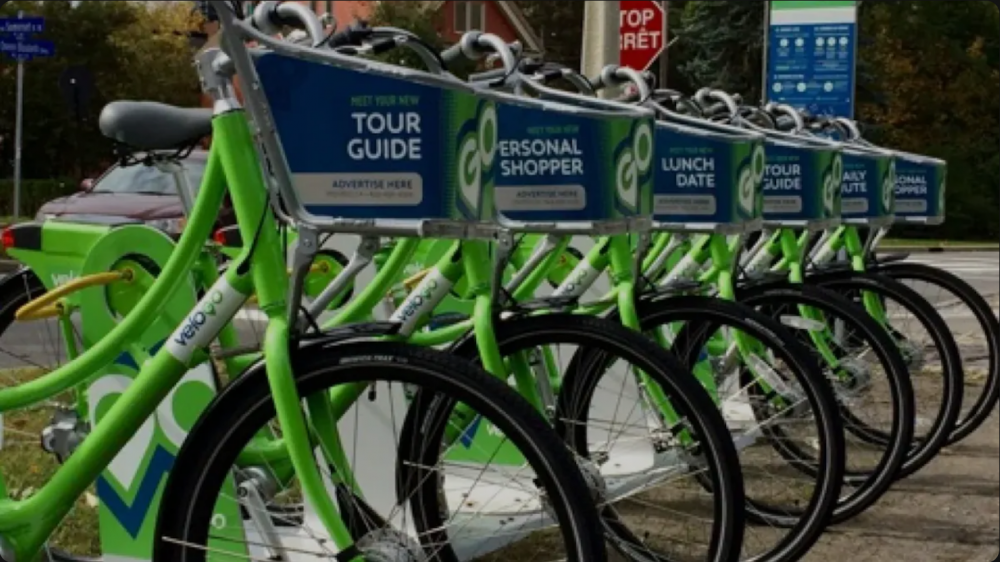
If the project goes ahead, 1,200 bikes would be distributed over 115 docking stations. A quarter of the fleet would be in Gatineau, the rest in Ottawa. The bike-sharing service would be offered three seasons a year.
In the study, two options were evaluated: one fleet without electric bikes, and the other with 20% of them.
Transportation is the second biggest expense, after housing. This is a solution that can be installed close to the streetcar to ensure last-mile connectivity and better accessibility for commuting," explains Capital Ward Councillor Shawn Ménard, a member of the City of Ottawa's Environment and Climate Change Committee.
Catherine Craig-St-Louis, President of the Commission sur les transports, les déplacements durables et la sécurité à Gatineau, seconds. Connecting the bus and light rail network to other means of transportation, such as cycling, multiplies the possibilities, she believes.
Someone could take the bus downtown, bike to their appointment in Ottawa and back to Hull.
Significant costs involved
In the past, a number of bike-sharing programs have been set up in Ottawa, including the Capital Bixi Bike program, as well as initiatives such as Right Bike, VeloGo and CycleHop. The last such program ceased operations in Ottawa in 2018.
Why did it fail? The old program relied mainly on tourists and private companies, say stakeholders interviewed by Radio-Canada.
It's not the same management when you want to offer a service that serves the right people as when you delegate completely to the market," believes Ms. Craig-St-Louis.
Both cities could benefit from government funding and financial partners, while contracting a private company to provide the service. Ottawa and Gatineau, however, would be in charge of the service.
All this is being looked at to ensure municipal control this time," she assures us.
The estimated net cost for the first five years of the program is between $18.6 and $21 million. This figure includes annual operating and start-up costs, as well as equipment purchases.
According to the most optimistic projections, Ottawa and Gatineau should finance the project to the tune of nearly half a million dollars annually. In the worst-case scenario, this figure would rise to just over $2 million a year.
That's a low price to pay for 1,000 bikes on our roads. It sounds like a lot when you say it, but it's pretty low when you think of our $5 billion budget," says Ménard.
Each city's financial commitment will reflect the extent of the service it receives," says Craig-St-Louis.
Six times as many bikes
The report shows that [bike sharing] is a real possibility [...] We want to anticipate rapid adoption of bikes by citizens," says Bike Ottawa board member Guillaume Gaillard.
In 2018, only the downtown core of the federal capital was served by the program. If the new bike-sharing service goes ahead, the geographic area covered will extend beyond downtown to include the neighborhoods of Glebe, Dow's Lake, Sandy Hill, downtown, Vanier and Westboro. And the bike fleet will be six times larger than it was eight years ago.
Currently, getting around Ottawa is a real challenge. The transportation network is relatively deficient. Almost half of all households don't own a car," continues Gaillard.
While he is delighted with the progress made, he believes that the increased number of cyclists must be accompanied by infrastructure funding.
Since 2025, the Tackling Delays and Building Faster Act has limited the introduction of new bike lanes when they reduce the lanes of busy boulevards in Ontario.
The report states that the program could be in place by 2027. However, Gatineau and Ottawa city councils will have to evaluate the project and its costs before adopting resolutions to implement the bike share program.
Source: ici.radio-canada.ca/