
Belgium/Beauvechain creates Wallonia's and Brussels' first communal food garden-forest
For several months now, the commune of Beauvechain has been developing a highly original ecological, participatory and educational project. With several partners and on the initiative of citizens, this project is gradually creating the first communal "nourishing forest garden" in Wallonia and Brussels.
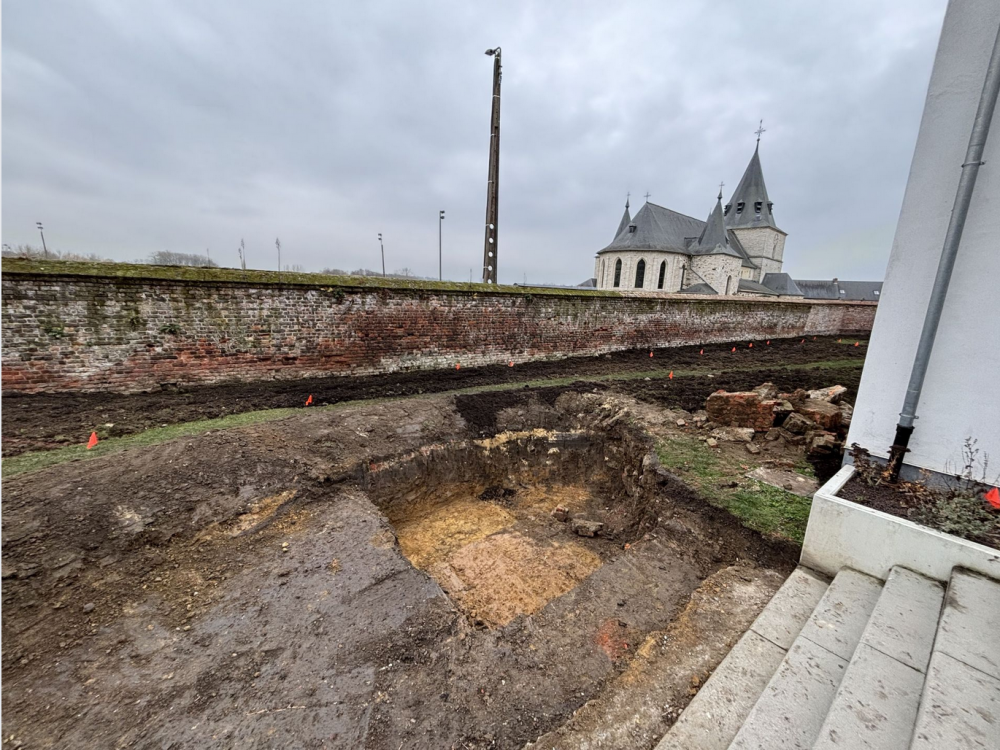
In short: a cultivated ecosystem inspired by the natural forest. A model organized in strata (trees, herbaceous plants, roots, climbing plants, etc.) to maximize biodiversity. For the first time, a municipality is transforming one of its plots of land - in this case, a large lawn - into a sustainable food-producing ecosystem, reconciling biodiversity, food self-sufficiency and conviviality. An evolving project. And one that could be emulated by private individuals and other local authorities. This Saturday, local residents took an important step by planting around 100 trees.
Saturday's planting was part of an evolving program. From idea to completion and maintenance, via earthworks, modifications, staking and other information sessions, it took months. And for years to come, participants will continue to monitor and enrich this biodiversity treasure trove.
Alongside the volunteer citizens, the commune's environment department and the Vegetation working group of the Local Rural Development Commission, other collaborators are helping out. These include the non-profit organization Semisto, a guide to forest garden projects, and the Fondation Rurale de Wallonie.
Listen to our audio report via the link above.
For their part, volunteer designers contributed their expertise to the design of the Beauvechain project. The nourishing garden will produce food and regenerate the soil. It will be home to medicinal plants, herbaceous plants and other plant species that will also encourage a greater diversity of local wildlife.
Based on the principles of permaculture (an integrated, evolving cultivation system inspired by natural ecosystems), this green space will require less watering, fertilizing and maintenance. Developed in a participatory and educational spirit, it will also encourage social interaction.
Source: www.rtbf.be/article/