
Canada/Improving water quality at STELAP
On Tuesday, the City of Shawinigan published its report on drinking water for the year 2025. Concentrations of certain products resulting from water treatment remain high for residences served by the Station de traitement de l'eau du Lac-à-la-Pêche (STELAP).
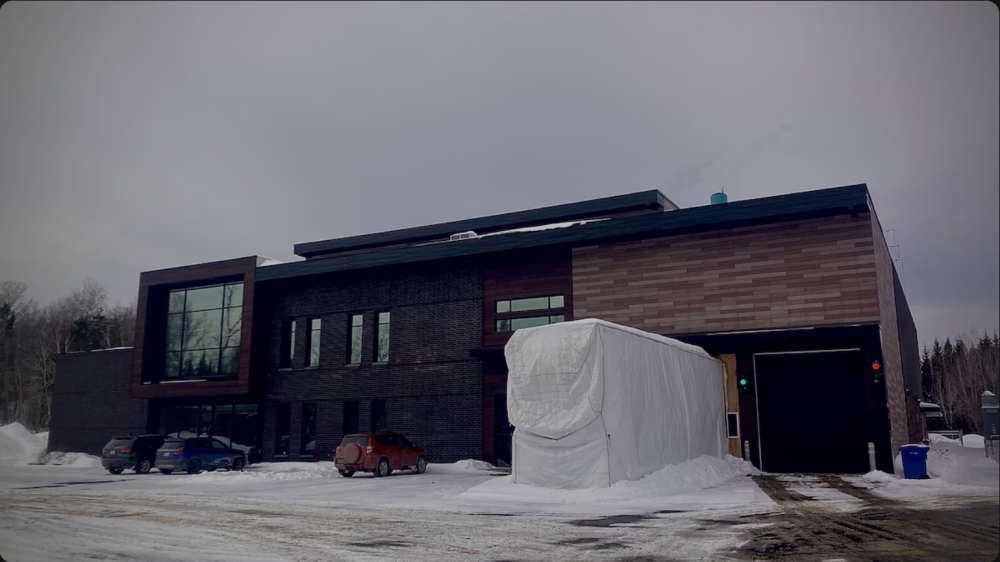
The presence of trihalomethanes (THMs) and haloacetic acids (HAAs), two products whose long-term effects on the human body remain uncertain, has always exceeded the standards imposed by the Quebec government since STELAP was restarted in 2022.
We know that our membranes clog up, so we can't add coagulants. That's why we don't currently comply with the standards issued by the Ministry of the Environment," says Frédéric Beaulieu, Director of Communications and Citizen Relations for the City of Shawinigan.
However, the City claims that 2025 saw an improvement in THM concentrations in the water produced by STELAP.
Although the majority of THM results were non-compliant (34 out of 55 samples), the overall picture is improving. This year's average is the lowest of the last three years," reads the City's report.
The City's report also indicates that, since the beginning of the year, samples taken from various Shawinigan drinking water intakes have shown encouraging signs in terms of THM concentrations.
Of the 16 samples we took between December 2 and March 2, 15 were within the standards. So, obviously, we're very pleased with these results," says Beaulieu.
How can this improvement be explained, given that the city can't really change its processes until the STELAP membrane issue has been resolved?
In 2023, we talked about the importance of forest fires, which had created clouds of smoke that may have deposited particles in our lakes, including Lac à la pêche. So, the experts at the time were telling us that it would take between one and two years for [water quality] to return," adds Beaulieu.
THMs and AHAs are formed as by-products when water decontamination products come into contact with organic matter.
He indicates that discussions between the City and the Ministry of the Environment regarding drinking water standards are ongoing.
Source: ici.radio-canada.ca/