Benin/From Economic Governance to Industrialization: Highlights of the Central African Delegation’s Immersion Mission Ahead of the GDIZ
Published on 17/07/2026 | La rédaction
Benin
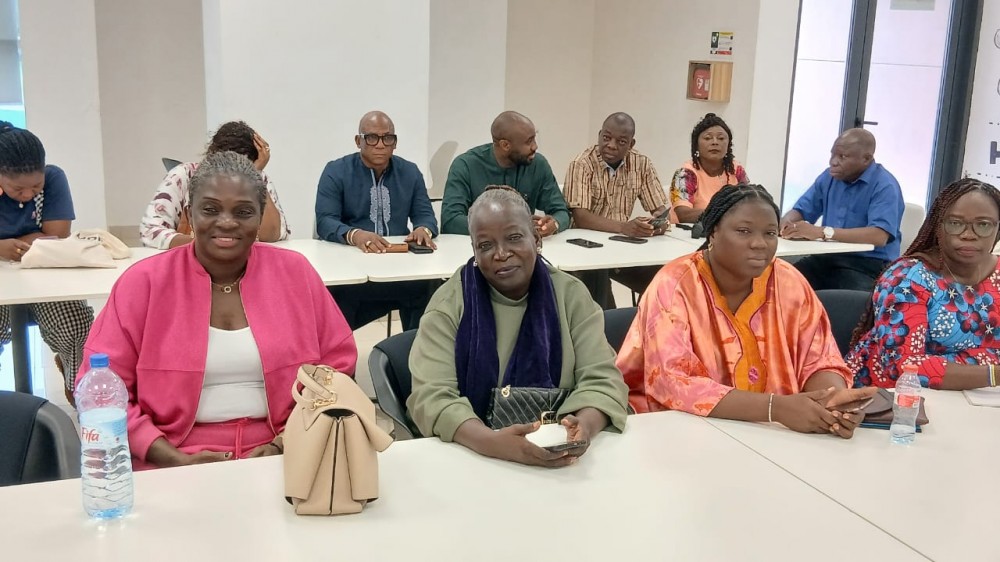
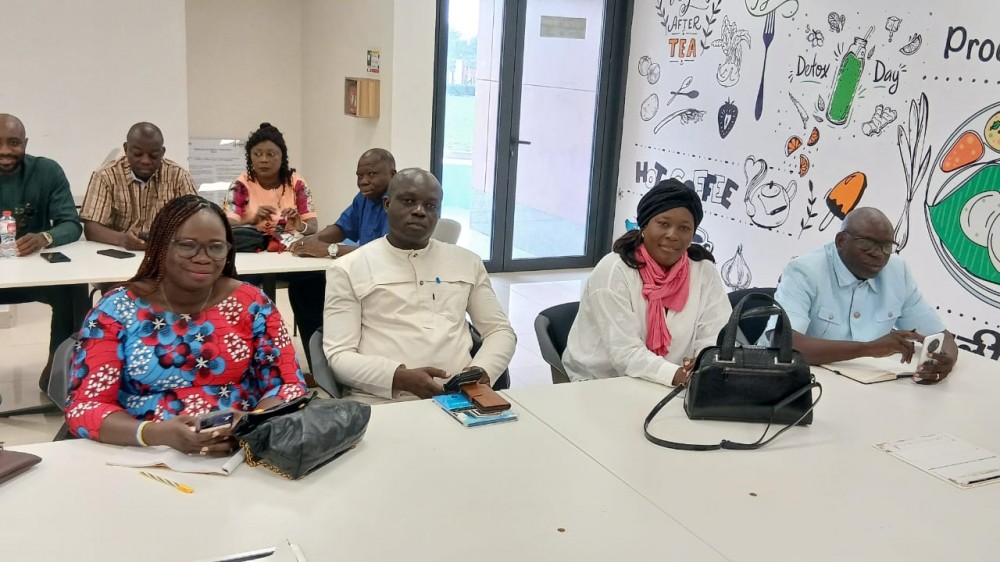
Before visiting the Glo-Djigbé Industrial Zone (GDIZ), the highlight of their fact-finding mission to Benin, members of the delegation from the Central African Republic’s Investment and Business Competitiveness for Employment Project (I-COMPETE) undertook a carefully planned tour of several key institutions within Benin’s economic ecosystem.
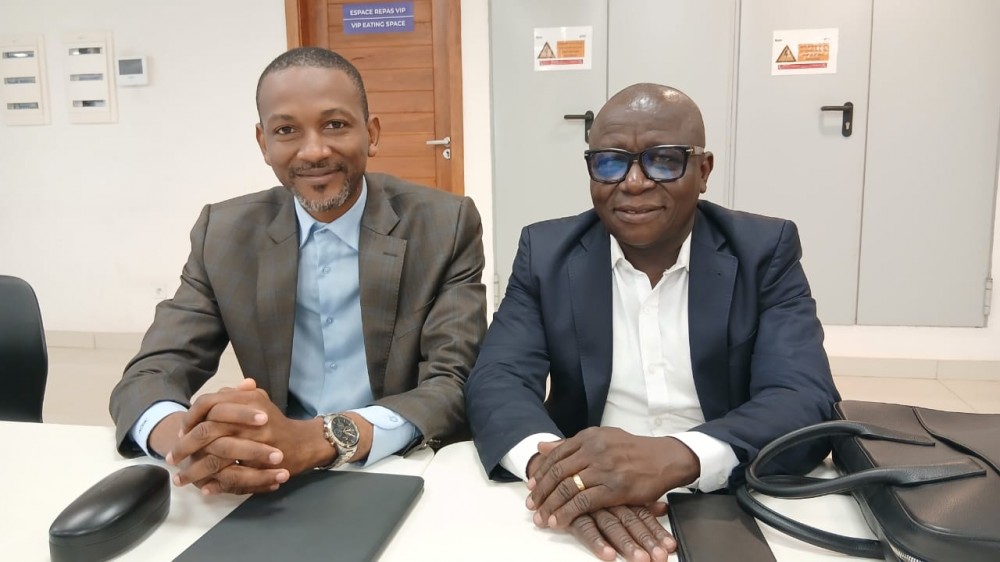
Led by Alexis Guéningafo, a budget policy officer at the Ministry of Finance and Budget of the Central African Republic, the mission has a specific objective: to identify public policies, institutional frameworks, and support mechanisms that promote private-sector development, productive investment, and job creation.
Starting on July 13, the delegation began its tour with working sessions with the Ministry of Small and Medium-Sized Enterprises and Employment Promotion to better understand the government’s vision for SME development, the promotion of entrepreneurship, and job creation.
The day continued with a visit to the National Chamber of Agriculture of Benin (CNA-B), where discussions focused on the organization of agricultural value chains, particularly the cotton sector, which is now considered a model of structuring and governance in West Africa. CNA-B officials shared their experience in professional organization, support for producers, and coordination among value chain stakeholders.
The mission members then learned about the agricultural sector’s financing mechanisms through discussions with the Fund for the Development of Continuing Vocational Training and Apprenticeship (FODEFCA).
On July 14, the delegation continued its field visits to several key institutions, notably APIEx, which is responsible for promoting investment and exports, before holding discussions with the National Employers’ Council of Benin (CNP-Benin) and the Agency for the Development of Small and Medium-Sized Enterprises (ADPME).
These various meetings provided a better understanding of the instruments supporting the private sector, policies aimed at improving the business climate, and support mechanisms for businesses.
On July 15, the proceedings continued with a visit to Sèmè City, a showcase for innovation, training, and skills development, followed by a session at the Fund for the Development of Continuing Vocational Training and Apprenticeship (FODEFCA), followed by discussions with the National Employment Agency (ANPE) on policies for labor market integration and human capital development.
The GDIZ, the highlight of the mission
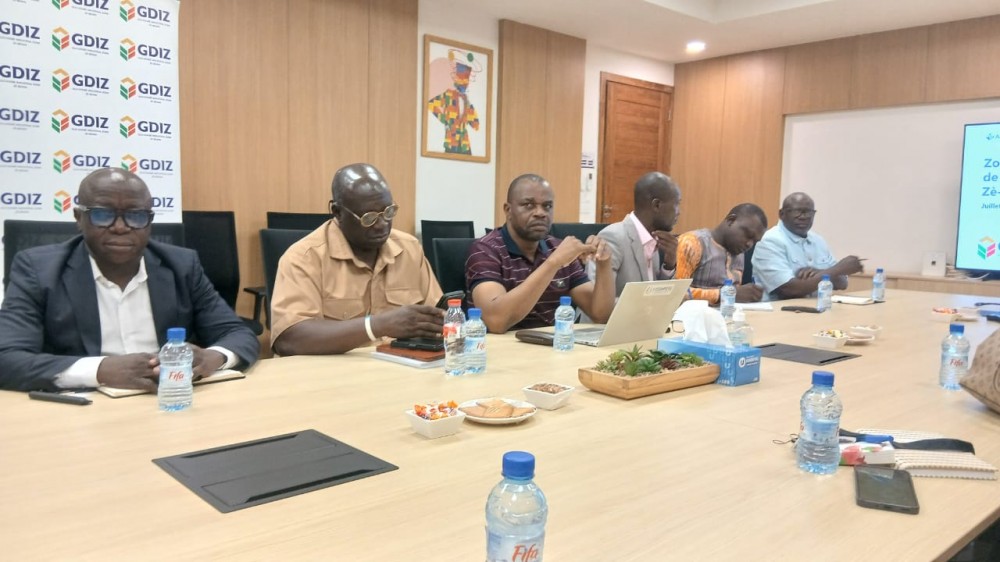
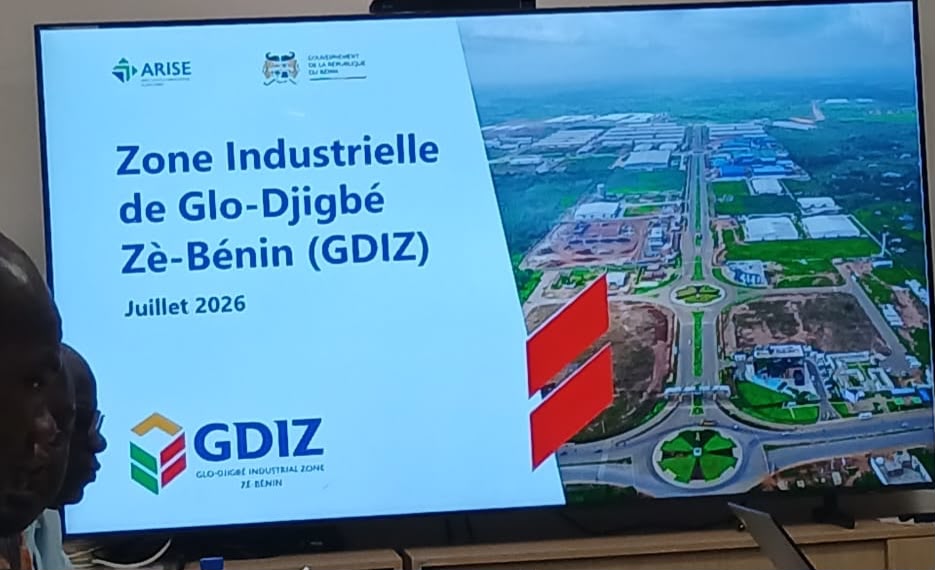
On Thursday, July 16, the group headed to the GDIZ. On this occasion, the Deputy Director General of the SIPI presented the institution, its mandate, and the governance model that underpins the operation of the Glo-Djigbé Industrial Zone. The presentation focused in particular on SIPI’s missions, its organizational chart, the various governance bodies, regulatory mechanisms, the administrative authorities involved, and the operation of the one-stop shop designed to facilitate investments and the operations of companies based on the site.
For nearly two hours, members of the Central African delegation asked numerous questions to better understand the strategic choices that have enabled Benin to build a competitive and attractive industrial ecosystem. The discussions, which were particularly interactive, provided detailed answers to the concerns raised by the visitors.
The mission continued with a presentation of the GDIZ model, offering an overview of the current development and expansion prospects for this industrial platform, which has become a major driver of Benin’s economic transformation policy.
...the delegation was impressed and satisfied
The delegation then took a guided tour of several industrial facilities located in the zone. The first stop took the visitors to a factory specializing in textile manufacturing, where T-shirts, polo shirts, sweatshirts, sportswear, and other clothing items are produced for major international brands. The delegation members praised the high level of mechanization, the quality of the production line organization, and the numerous employment opportunities offered to young Beninese people.
The visit continued at the Société Béninoise de Cosmétiques (SBC), where various personal care products are manufactured, including creams, perfumes, lotions, and baby powders. Factory officials presented the various stages of the manufacturing process, the quality standards applied, and the development goals for this local industry.
Finally, the delegation toured a modern tile manufacturing facility, illustrating the gradual diversification of industrial activities within the GDIZ.
At the conclusion of this field visit, members of the Central African delegation expressed their particular satisfaction with the quality of the discussions and were impressed by the level of development achieved by Benin’s industrial hub. For them, the GDIZ’s experience serves as a major source of inspiration to support the Central African Republic’s industrial transformation goals.
This visit confirms Benin’s position as an African leader in industrialization, investment promotion, and the local processing of raw materials. It also illustrates the growing momentum of South-South cooperation, based on the sharing of experiences and best practices to advance the continent’s economic development.