
Vietnam is strengthening its weather forecasting and early warning capabilities
As climate change increases the uncertainty, severity, and unpredictability of meteorological phenomena and other hydrometeorological events, strengthening capabilities in forecasting, early warning, and disaster prevention has become an urgent necessity.
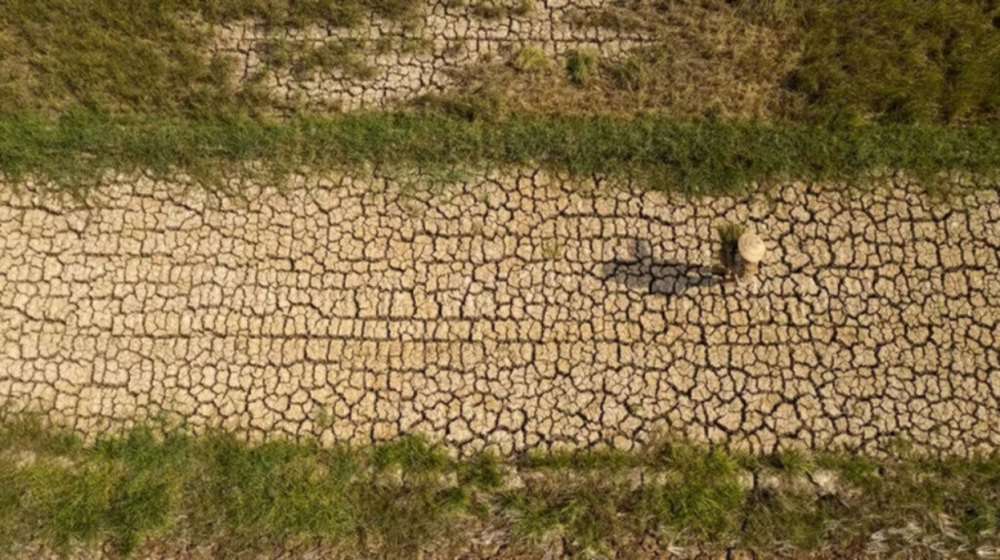
Experts highlighted this urgency at a national conference held on Tuesday, June 23, by the Vietnam Meteorological and Hydrological Administration (VNMHA), under the Ministry of Agriculture and Environment, in collaboration with the United Nations Development Program (UNDP) in Vietnam.
This event was funded by Global Affairs Canada as part of the Vietnam Climate-Smart Coastal Communities Project.
Aimed at presenting the latest data on hydrometeorological trends for the current year, the 2026 Hydrometeorological Outlook Conference also helped ministries, various sectors, local authorities, and communities develop disaster prevention and risk mitigation plans.
Recent reports from the World Meteorological Organization (WMO) indicate that the global climate system continues to show signs of instability. As global average temperatures remain at record levels, the world is experiencing major disruptions to precipitation patterns and water cycles, as well as more frequent and intense extreme weather events.
Vietnam remains among the countries most vulnerable to these climate changes, facing growing threats from heat waves, drought, water shortages, saltwater intrusion, extreme rainfall, floods, and landslides.
The latest forecasts suggest thatEl Niño will play a major role in weather patterns through the end of this year and into early next year.
International and Vietnamese climate models warn that this could be a severe event, comparable to the record-breaking El Niño episode of 2015–2016.
This situation increases the threat of extreme heat waves, droughts, and saltwater intrusion, particularly in central Vietnam and the Mekong Delta.
These climate disruptions risk disrupting key sectors, such as agriculture, water and energy security, and affecting the general well-being of the population.
In his remarks, Deputy Minister of Natural Resources and Environment Lê Công Thành emphasized the crucial role of technology and data in strengthening forecasting and early warning systems.
“We must accelerate the application of science and technology, digital transformation, and artificial intelligence, while strengthening data sharing to improve the quality of our forecasts and alerts,” he said.
“This is essential for mitigating disaster-related losses, ensuring food and water security, stabilizing the lives of our citizens, and promoting sustainable socioeconomic development,” he added.
The deputy minister also urged experts to focus on a comprehensive assessment of the impactsof El Niño, to quickly identify emerging risks, and to propose solutions tailored to each sector and locality, in order to develop response scenarios and ensure water and food security as well as stable socioeconomic development.
Emilie Carrier, Senior Advisor at the Canadian Embassy in Vietnam, said:“By bringing together Canadian experts and their Vietnamese counterparts, we are implementing practical and science-based solutions that protect lives and livelihoods. This partnership demonstrates our shared commitment to building a safer and more resilient future, where robust climate change preparedness underpins sustainable development."
Early warning systems
The conference facilitated a collaborative exchange of experiences and best practices among experts from the UNDP, Environment and Climate Change Canada, the Japan International Cooperation Agency, and their local counterparts.
The main topics discussed were climate forecasts, multi-hazard early warning systems, forecast-based disaster management, and strategies to strengthen community resilience to climate change.
One of the highlights of the event was the presentation of the UN-led “Early Warning for All” initiative, which aims to ensure universal access to vital multi-hazard early warning systems by the end of next year.
This initiative is essential for linking cutting-edge meteorological knowledge to on-the-ground responses, providing direct support to Vietnam’s hydrometeorological sector as it prepares for the challenges posed by the imminent arrivalof El Niño.
The UNDP Resident Representative in Vietnam, Ramla Khalidi, described climate change as an immediate and growing challenge for Vietnam.
“Vietnam is on the front lines of climate change. From devastating typhoons to floods and landslides in the north and center of the country, to drought and saltwater intrusion in the Mekong Delta, the impacts of climate change are no longer projections for the future. They are a reality today, reshaping the country’s ecosystems, livelihoods, and future.”
She noted that these impacts are becoming increasingly unpredictable, with record-breaking heat waves occurring against the backdrop of an expected transition to an El Niño event later this year.
“The truth is that extreme weather events are the new normal, and our systems must adapt accordingly,” she said.
In Vietnam, forecasts and warnings must be tailored to the realities of communities in the mountains, coastal areas, the Mekong Delta, and the Central Highlands, so that action can be taken before disaster strikes.
“But data alone does not save lives,” Khalidi said.“Even the most advanced forecasting model is only effective if it is properly implemented all the way to the last kilometer. Through our work with smallholder farmers in the Central Highlands and coastal communities, we have found that the main obstacle is communication: we need to transform complex meteorological data into simple messages—tailored to the local context and taking gender-specific considerations into account—that people can understand and apply in real time.”
"Nature itself is part of the solution. Resilience must also be inclusive. Poor, rural, and ethnic minority communities—and women in particular—are the hardest hit by water scarcity and crop failures. That is why women must be heard and involved in water management, crop-related decisions, and emergency response planning,” she added.
Source: lecourrier.vn/