
Vietnam/Hanoi Steps Up Training for Rural Workers
The Vietnamese capital is embarking on a new phase to develop the skills of the rural population by 2030. This strategy aims to support economic change, promote employment, and prepare local communities for the transformations brought about by urbanization and digitalization.
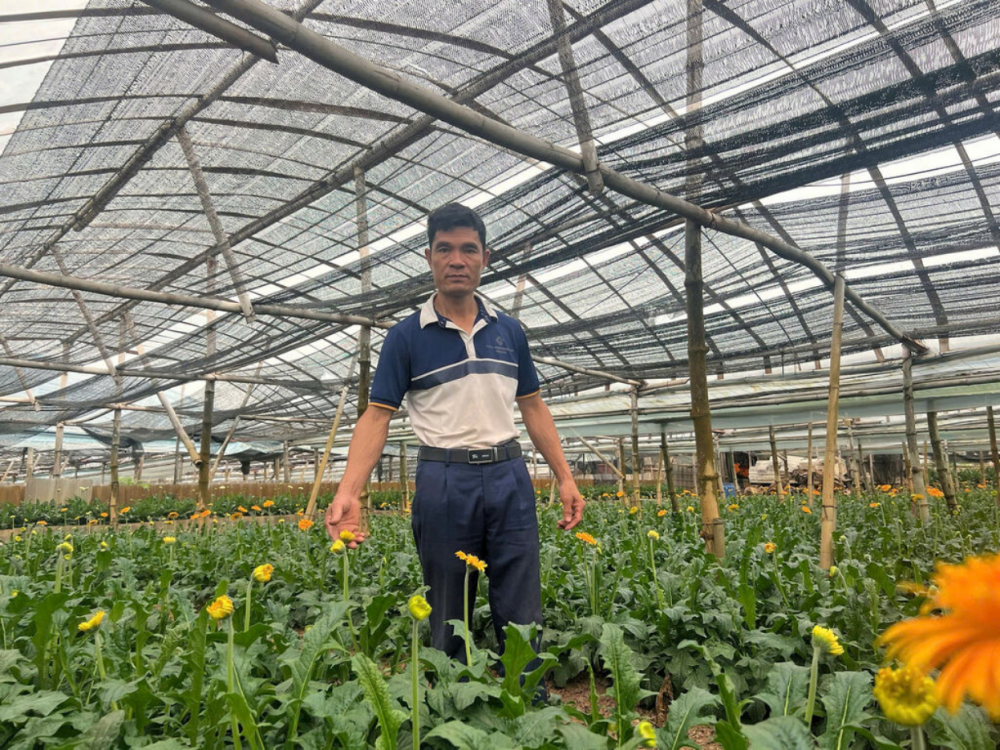
On July 2, Vu Thu Hà, Vice Chair of the Hanoi People’s Committee, signed Plan No. 252/KH-UBND to implement the program “Renewing and Improving the Quality of Vocational Training in Rural Areas by 2030.”
This initiative aims for a comprehensive modernization of vocational education to meet the needs of the labor market, increase the incomes of rural residents, and support the capital’s economic restructuring between 2026 and 2030. It is also aligned with development priorities for new rural areas, digital agriculture, and vocational retraining driven by urban expansion.
The authorities aim to enroll an average of 20,000 trainees each year in vocational training institutions. Approximately 70% of participants will enroll in non-agricultural training programs, compared to 30% in agricultural trades. Women are expected to account for more than 45% of participants, while people with disabilities will make up nearly 4% of the total. In areas with ethnic minority populations, the goal is for 70% of working-age individuals to obtain a qualification tailored to their needs. More than 85% of graduates are expected to find employment upon completing their training.
Targeted Priorities
The program covers the entire territory of Hanoi, with a particular focus on mountainous communes, localities populated by ethnic minorities, and areas engaged in the development of “new ruralism.”
It is aimed at rural residents aged 15 and older who wish to acquire a qualification or find employment. Teachers, artisans, trainers, administrators of vocational education institutions, businesses, cooperatives, and public agencies involved in this field are also among the stakeholders.
The municipality plans to step up information campaigns on public policies regarding vocational education by leveraging digital platforms, national and local media, and sociopolitical organizations. Municipal authorities will be responsible for identifying needs, providing guidance to applicants, and monitoring the implementation of training programs.
Support programs will prioritize individuals whose land has been expropriated, young people, vulnerable women, members of ethnic minorities, workers who have lost their jobs, and people forced to change occupations due to urbanization.
Innovation and Sustainable Integration
The city intends to strengthen the infrastructure of vocational training institutions and modernize their equipment, prioritizing sectors that meet Hanoi’s economic development needs.
The plan also calls for developing the skills of teachers and management staff through continuing education, while encouraging the participation of experts, artisans, engineers, and technicians from businesses and cooperatives to share their expertise.
The digital transition plays a central role in this strategy, with the development of computerized management tools, the creation of a job market database, and better use of information on labor supply and demand to anticipate future needs.
At the same time, Hanoi aims to strengthen partnerships between vocational training institutions, businesses, and cooperatives to develop curricula that meet market demands. Priority will be given to training programs commissioned directly by employers, accompanied by recruitment commitments.
Finally, the authorities plan to expand career guidance, job placement, and support services for beneficiaries, particularly through the municipal employment portal and specialized job fairs. Ultimately, the effectiveness of these measures will be evaluated based on employment rates and post-training earnings, with a gradual shift toward funding based on results rather than solely on resources allocated.
Source: lecourrier.vn/